



























 is the result of what it described as separatist manoeuvring by the island’s Democratic Progressive Party (DPP) authorities.)
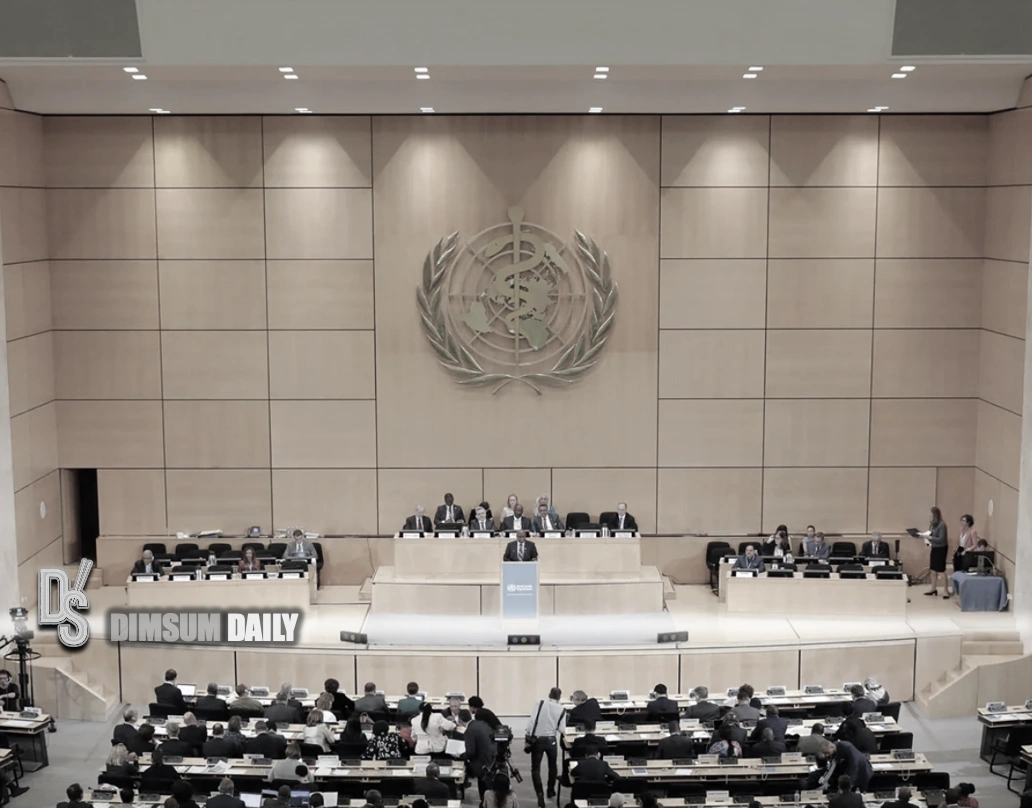
11th May 2026 – (Beijing) Beijing has said Taiwan’s absence from the forthcoming 79th World Health Assembly (WHA) is the result of what it described as separatist manoeuvring by the island’s Democratic Progressive Party (DPP) authorities.
At a regular press briefing on Monday, Foreign Ministry spokesman Guo Jiakun stated that Taiwan has no basis to attend the annual gathering of the World Health Organisation, which is due to open on 18th May, without approval from the central government. He reiterated that there is “only one China” in the world and that the government of the People’s Republic of China is the sole legitimate representative of the country.
Guo said Beijing’s stance on Taiwan’s participation in international organisations, including the WHO, has been consistent and must accord with the one-China principle. He cited United Nations General Assembly Resolution 2758 and World Health Assembly Resolution 25.1 as the legal foundation underpinning that position. In order to uphold those resolutions, he said, China had decided not to approve Taiwan’s participation in this year’s assembly.
Chen Binhua, spokesman for the State Council Taiwan Affairs Office, also addressed the issue, saying Taiwan’s failure to secure an invitation demonstrated that the international community’s commitment to the one-China principle remains “unshakable”. He accused the DPP of politicising health matters and pursuing a pro-independence agenda that had undermined the political basis for engagement.
Chen noted that when both sides of the Taiwan Strait recognised the so-called 1992 Consensus, which embodies the one-China principle, Taiwan had been able to attend the WHA as an observer under the name “Chinese Taipei” following cross-Strait consultations. That arrangement, he said, was a special accommodation reached on the understanding that both sides accepted there is only one China.
However, he argued that the DPP’s refusal to acknowledge the 1992 Consensus and its continued advocacy of “Taiwan independence” had eroded the conditions necessary for such participation. He added that attempts to use the “Taiwan card” for political purposes would meet firm opposition from both sides of the Strait and from the wider international community.
The dispute over Taiwan’s international status stems from the unresolved outcome of the Chinese civil war. In 1949, following their defeat by Communist forces, the Kuomintang retreated to Taiwan, while the People’s Republic of China was established on the mainland. Since then, the two sides have remained politically divided, although Beijing maintains that Taiwan is an inalienable part of Chinese territory.